Almost every Mooresville home has one: the bedroom over the garage, the bonus room at the end of the hall, the office that is a sauna by three in the afternoon while the rest of the house is fine. One hot room is rarely a broken air conditioner. It is usually an air delivery problem, and delivery problems have seasons, which is why this one is organized as a calendar.
Air follows the path the ducts, dampers, and doors give it. A long duct run loses energy along the way, a closed damper starves a branch, and a room with no return path cannot accept more air no matter how wide its supply vent is open. Work through the year and each cause gets its moment to be found.
| When | Likely cause to check | What to do |
|---|---|---|
| Early spring service | Damper left in winter position | Have branch dampers checked and set for cooling season |
| Late spring | Closed or blocked supply vent | Open the vent fully and move furniture or rugs off it |
| Peak summer | Long duct run and attic heat | Check duct insulation in the attic over the hot room |
| Peak summer, afternoons | Sun load on west-facing glass | Blinds or exterior shade during the hot hours |
| Any season, door closed | No return path for air | Undercut door gap or a transfer grille lets air cycle back |
| Fall service | Disconnected or crushed duct found on inspection | Repair the run before heating season repeats the problem in reverse |

The closed-door problem, explained once
Many homes have one central return that pulls air back to the system, with supply vents pushing air into each room. Close a bedroom door in that setup and the room pressurizes: supply air pushes in, but it has nowhere to go except the small gap under the door. Supply slows to what the gap allows, and the room drifts warm while the hallway feels fine. This is why a room can be comfortable with the door open and stuffy twenty minutes after it closes for the night.
Fixes range from simple to structural: a larger door undercut, a transfer grille or jump duct that gives air a path back, or a dedicated return in the room. Which one fits depends on the house, but the diagnosis is free: if the room cools with the door open, you have found the main cause.
Runs, dampers, and the bonus room pattern
Distance costs air. The room farthest from the air handler, often a bonus room over a garage, sits at the end of the longest, hottest duct run, sometimes through an unconditioned attic where the duct itself gains heat on a July afternoon. Insulation on that run, and sealing its joints, matter more for that room than for any other. Rooms over garages also sit above a hot ceiling all summer, with the garage baking underneath.
Dampers are the adjustment built into many duct systems: simple handles on branch ducts that balance how much air each run gets. They get moved during other work, painted over, or set for the previous owner's preferences. Having them checked at seasonal service, and marked once they are right, is the unglamorous fix behind many suddenly comfortable rooms.
When the room points to a bigger fix
If one room stays hot after vents, dampers, doors, and duct insulation are addressed, the remaining options are capacity and zoning: a ductless mini-split for that room, a zoned damper system, or added return capacity. Those are design changes, best decided with temperature readings across a hot week rather than one bad afternoon. In Mooresville, Donaldson Heating & Cooling can measure the room against the rest of the house and say which level of fix the numbers justify.
Measure before you remodel
Before spending on any structural fix, spend a week measuring. A small thermometer moved between the hot room and a comfortable room, read at the same hot afternoon hour each day, gives you a real temperature gap instead of an impression. A gap of a degree or two is a balancing job. A gap of five degrees or more that survives open doors and open vents points to duct capacity, insulation, or load that balancing alone will not cure. Note the weather alongside the readings, since a west-facing room will always test worst on clear, still afternoons. Those notes turn a service visit into a diagnosis instead of a debate about how the room feels.
Common questions
Why is the room over the garage always hot?
It usually combines the longest duct run, often through a hot attic, with a hot garage ceiling below it. Duct insulation, damper balance, and shade on that side of the house help most.
Will closing vents in other rooms fix my hot room?
Usually not, and it can raise duct pressure and hurt overall airflow. Balancing dampers is the proper version of that idea, done at the duct rather than at the vent.
Why is the room fine with the door open?
That points to a missing return path. With the door closed, supply air cannot circulate back to the return, so delivery slows. A larger door gap or a transfer grille addresses it.
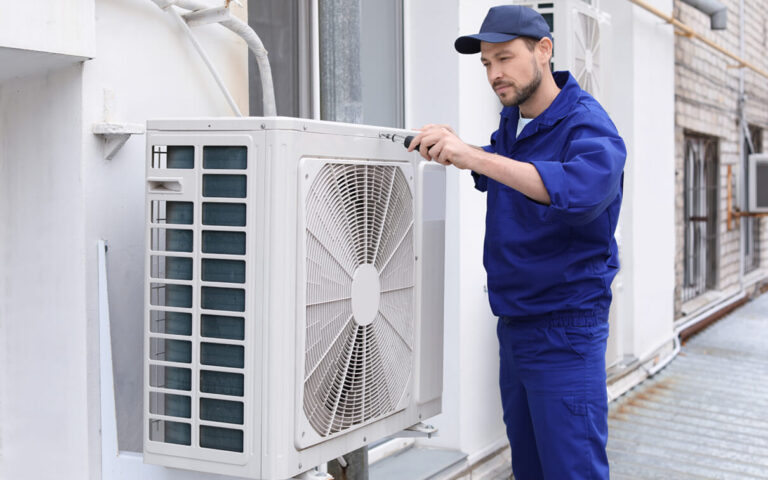
Photos in this guide are representative stock images.
← All guides from Donaldson Heating & Cooling← Back to Donaldson Heating & Cooling